Saganaki Recipe: Pan-Fried Greek Cheese Perfection in Minutes
Imagine a dish that’s effortlessly elegant, profoundly flavorful, and ready in mere minutes. That, in essence, is
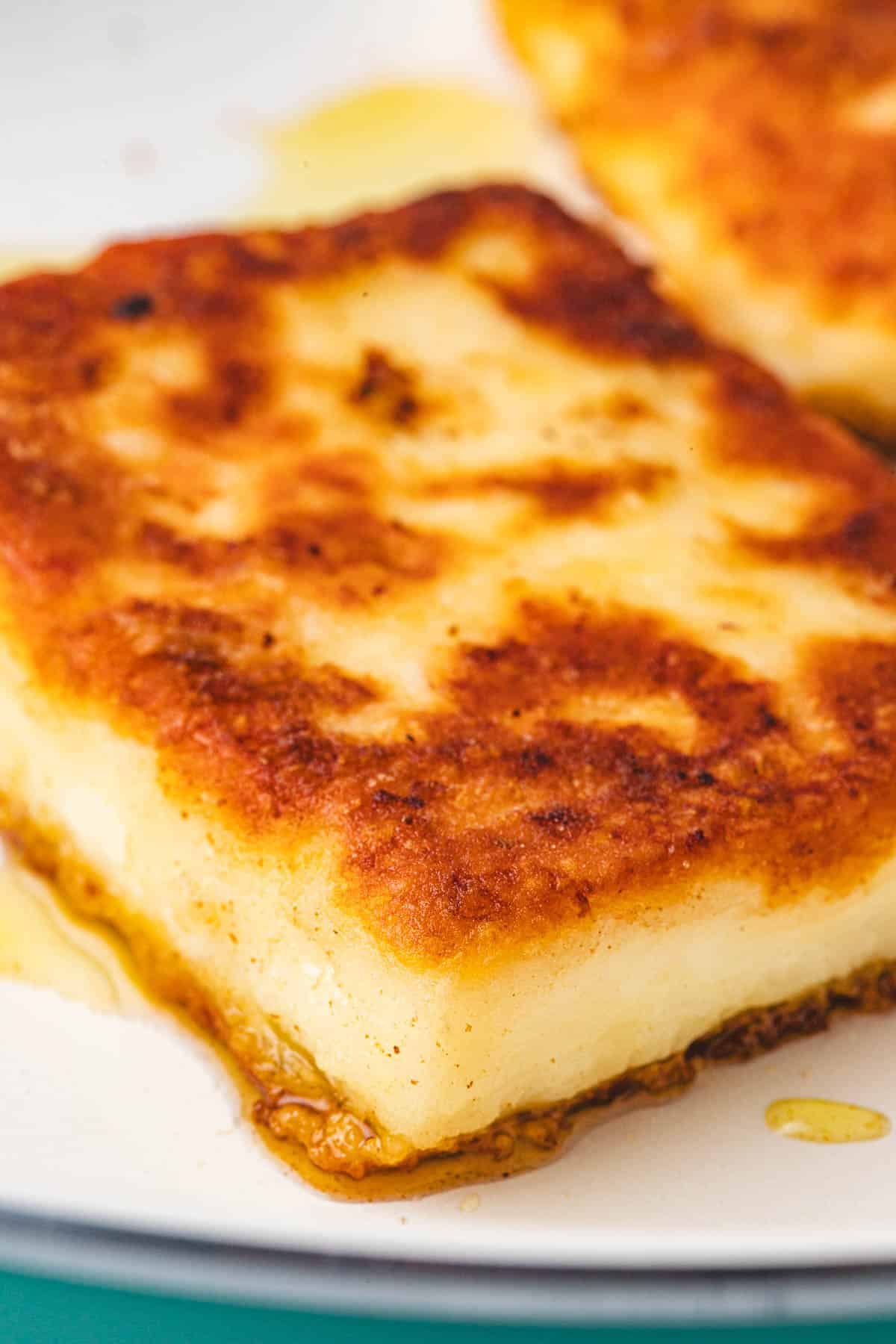
saganaki, the iconic Greek pan-fried cheese. More than just a simple appetizer, saganaki offers a delightful contrast of textures – a golden, crispy exterior yielding to a warm, gooey, melted interior. It’s a sensory experience that instantly transports you to a sun-drenched Greek taverna, embodying the simplicity and richness of Mediterranean cuisine. While often associated with a dramatic "Opa!" and a fiery spectacle, the true essence of authentic saganaki lies in its quality cheese, straightforward preparation, and a finishing squeeze of fresh lemon.
This article will guide you through understanding, preparing, and appreciating the ultimate Greek cheese experience, from its origins in traditional home cooking to its global renown. Get ready to master the art of making perfect saganaki, a dish that proves some of the best culinary delights are also the easiest.
What Exactly is Saganaki? The Cheese, the Pan, and the Tradition
At its heart,
saganaki is a testament to Greece's rich cheesemaking heritage and its simple yet profound culinary traditions. But the name itself tells an even deeper story.
The Pan Behind the Name
The term "saganaki" directly translates to "little sagani," referring to the small, heavy-bottomed, two-handled frying pan in which the dish is traditionally cooked and served. The "sagani" pan, derived from the Turkish word "sahan," has been a staple in Greek kitchens for centuries, used for everything from small portions of fried seafood to vegetables. Its design allows for even heat distribution and, crucially, for the sizzling dish to be brought directly from stove to table, maintaining its warmth and dramatic presentation. This emphasizes a crucial aspect of Greek meze culture: food meant to be shared, enjoyed hot, and presented with minimal fuss. It's important to note that "saganaki" isn't exclusively a cheese dish; it's a category. Other dishes, like shrimp saganaki (garides saganaki) or mussel saganaki (mythia saganaki), leverage the same pan and cooking method, showcasing its versatility. To delve deeper into this fascinating culinary category, read our article
Saganaki Explained: More Than Just Fried Cheese in Greek Cuisine.
The Star: Choosing Your Cheese
The quality of the cheese is paramount to a truly exceptional saganaki. Traditional recipes call for specific Greek semi-hard, tangy sheep's or goat's milk cheeses that hold their shape while frying and develop a beautiful crust. The most common choices include:
*
Kefalotyri: A hard, salty, and sharp yellow cheese, often made from sheep's or goat's milk. It has a robust flavor that stands up beautifully to frying.
*
Kasseri: A semi-hard, elastic cheese made from sheep's and sometimes goat's milk. It's milder than kefalotyri but still offers a distinct tangy flavor and melts wonderfully.
*
Graviera: A versatile, firm cheese, often with a nutty and slightly sweet flavor, depending on its age and origin (e.g., Naxos, Crete). It fries exceptionally well.
*
Kefalograviera: A blend of kefalotyri and graviera, combining the best attributes of both – a firm texture with a rich, tangy flavor profile perfect for saganaki.
These cheeses are prized for their ability to achieve that sought-after crispy exterior without completely melting into a puddle. Their inherent tanginess is perfectly balanced by a squeeze of lemon, which cuts through the richness and brightens the flavors.
The Authentic Preparation
Authentic saganaki is a marvel of simplicity. A thick slice of cheese is typically coated lightly in flour or semolina, which helps create that desirable golden crust. It’s then pan-fried in a small amount of butter or olive oil until it’s beautifully golden brown and sizzling on both sides, and molten within. The preparation emphasizes the natural flavors of the cheese, requiring minimal seasoning – perhaps just a sprinkle of black pepper or dried oregano. The finished dish is served immediately, piping hot, usually with a wedge of fresh lemon, ready to be squeezed over the top.
Crafting Perfect Saganaki at Home: A Step-by-Step Guide
Bringing the magic of Greek saganaki into your own kitchen is surprisingly simple. With just a few ingredients and a hot pan, you can achieve perfection in minutes.
What You'll Need (The Essentials):
*
Cheese: 1 (about 1-inch thick) slice of kefalotyri, kasseri, graviera, or kefalograviera (approx. 6-8 oz / 170-225g per serving). If traditional Greek cheeses are unavailable, a good quality halloumi (though firmer) or a firm, salty provolone or aged mozzarella can be a decent substitute in a pinch, though they won't yield the exact traditional flavor.
*
Coating: 1-2 tablespoons all-purpose flour or fine semolina.
*
Frying Fat: 1-2 tablespoons unsalted butter or good quality olive oil (or a mix of both for flavor and higher smoke point).
*
Finishing Touch: 1 fresh lemon wedge.
*
Optional Garnish: A pinch of dried oregano or freshly ground black pepper.
Step-by-Step Preparation:
1.
Prepare the Cheese: If your cheese isn't already sliced, cut it into a rectangular or round slice, approximately 1-inch thick. Pat it dry with a paper towel to remove any excess moisture – this helps with crispiness.
2.
Lightly Coat: Place the flour or semolina on a shallow plate. Gently dredge the cheese on both sides, ensuring an even, light coating. Shake off any excess. This coating is crucial for developing the golden, crispy crust.
3.
Heat the Pan: Place your sagani (or a small, heavy-bottomed non-stick frying pan, ideally around 8 inches in diameter) over medium-high heat. Add the butter or olive oil. You want the pan to be *hot* before adding the cheese, but not smoking.
4.
Fry to Golden Perfection: Once the fat is shimmering and hot, carefully place the floured cheese into the pan. Fry for 2-3 minutes per side. You're looking for a beautiful golden-brown, crispy crust. The cheese should be sizzling and bubbling gently, indicating it's melting inside.
5.
Serve Immediately: As soon as both sides are golden and the cheese is soft and gooey within, transfer the saganaki directly to a serving plate (or, traditionally, bring the sagani pan straight to the table with a trivet underneath).
Tips for Saganaki Success:
*
Hot Pan is Key: Don't rush the heating of the pan. A sufficiently hot pan ensures an immediate crust forms, preventing the cheese from sticking or melting too quickly.
*
Don't Overcrowd: Cook one slice of cheese at a time to maintain high heat and achieve the best crust.
*
Serve Promptly: Saganaki is best enjoyed literally seconds off the heat. Its delicious texture quickly diminishes as it cools.
*
The Lemon: The fresh lemon juice isn't just a garnish; it's an essential flavor component. Its acidity cuts through the richness of the cheese, balancing the dish perfectly.
*
Consider the Fat: A mix of butter and olive oil provides a rich flavor from butter and a higher smoke point from olive oil, which can be beneficial for frying.
The "Opa!" Moment: Flambé vs. Authentic Greek Saganaki
For many outside of Greece, the word "saganaki" conjures images of a dramatic, flaming dish, accompanied by shouts of "Opa!" However, this theatrical rendition, while globally popular, is actually a Greek-American innovation, distinctly different from the traditional preparation found in Greece. To understand the nuances of this dish and its cultural significance, be sure to read
Authentic Greek Saganaki: Beyond the Flambé and 'Opa!'.
The Authentic Approach: Simplicity and Flavor
In Greece, the original
saganaki is characterized by its unpretentious simplicity. There's no flambéing. The focus remains squarely on the quality of the pan-fried cheese itself – its crispy crust, its melted interior, and the refreshing counterpoint of fresh lemon. This is how it's been prepared in Greek homes and tavernas for generations, reflecting a culinary philosophy where excellent ingredients speak for themselves. The dish embodies the pastoral traditions of Greek cheesemaking and the value of fresh, local produce.
The American Innovation: The Spectacle of Flambé
The iconic flambéed saganaki was born not in Greece, but in Chicago's Greektown. In 1968, Chris Liakouras, owner of The Parthenon restaurant, sought a way to entertain diners and create a memorable experience. His solution was brilliant: igniting the pan-fried cheese with brandy or ouzo tableside, creating a spectacular blaze and cementing the accompanying cry of "Opa!" into popular culture. This dramatic flourish quickly spread, transforming a humble appetizer into a global sensation and a symbol of Greek-American restaurant culture.
Today, this theatrical version is a beloved staple in Greek restaurants worldwide, a testament to the ingenuity of immigrant communities who adapted their traditions to new contexts. However, it's a rare sight in Greece itself, where the classic, unflambéed saganaki remains the standard. Both versions hold their own unique charm, one rooted in pure culinary tradition, the other in vibrant cultural fusion and entertainment.
Serving Suggestions and Pairings
Saganaki is a fantastic dish for any occasion, but it truly shines as part of a traditional Greek meze spread.
*
Meze Platter: Serve alongside other Greek appetizers like olives, tzatziki, dolmades, and various dips. The rich flavor of the cheese provides a wonderful contrast to lighter, fresher dishes.
*
With Bread: A must-have accompaniment! Crusty bread, especially warm pita bread, is perfect for scooping up every last bit of the melted cheese and flavorful juices.
*
Simple Salad: A fresh Greek salad (horiatiki) with its crisp vegetables and tangy dressing makes an excellent counterpoint to the richness of the saganaki.
*
Beverage Pairings: For an authentic Greek experience, pair your saganaki with a glass of chilled ouzo (with water and ice) or a dry white Greek wine like Assyrtiko or a light Retsina. A simple beer or a crisp rosé also works wonderfully.
Conclusion
From its humble origins in Greek home kitchens to its status as a global culinary icon,
saganaki is a dish that truly delivers. Whether you prefer the purist's approach of a perfectly pan-fried, lemon-kissed slice of cheese or the exhilarating theatricality of its flaming counterpart, saganaki promises a burst of flavor and a taste of Greek hospitality. Its simplicity, speed, and undeniable deliciousness make it an essential appetizer for any lover of Mediterranean cuisine. So, grab your sagani – or your trusty frying pan – and prepare to create this pan-fried Greek cheese perfection in minutes. Enjoy the irresistible crunch, the gooey melt, and the vibrant tang that defines this timeless classic.