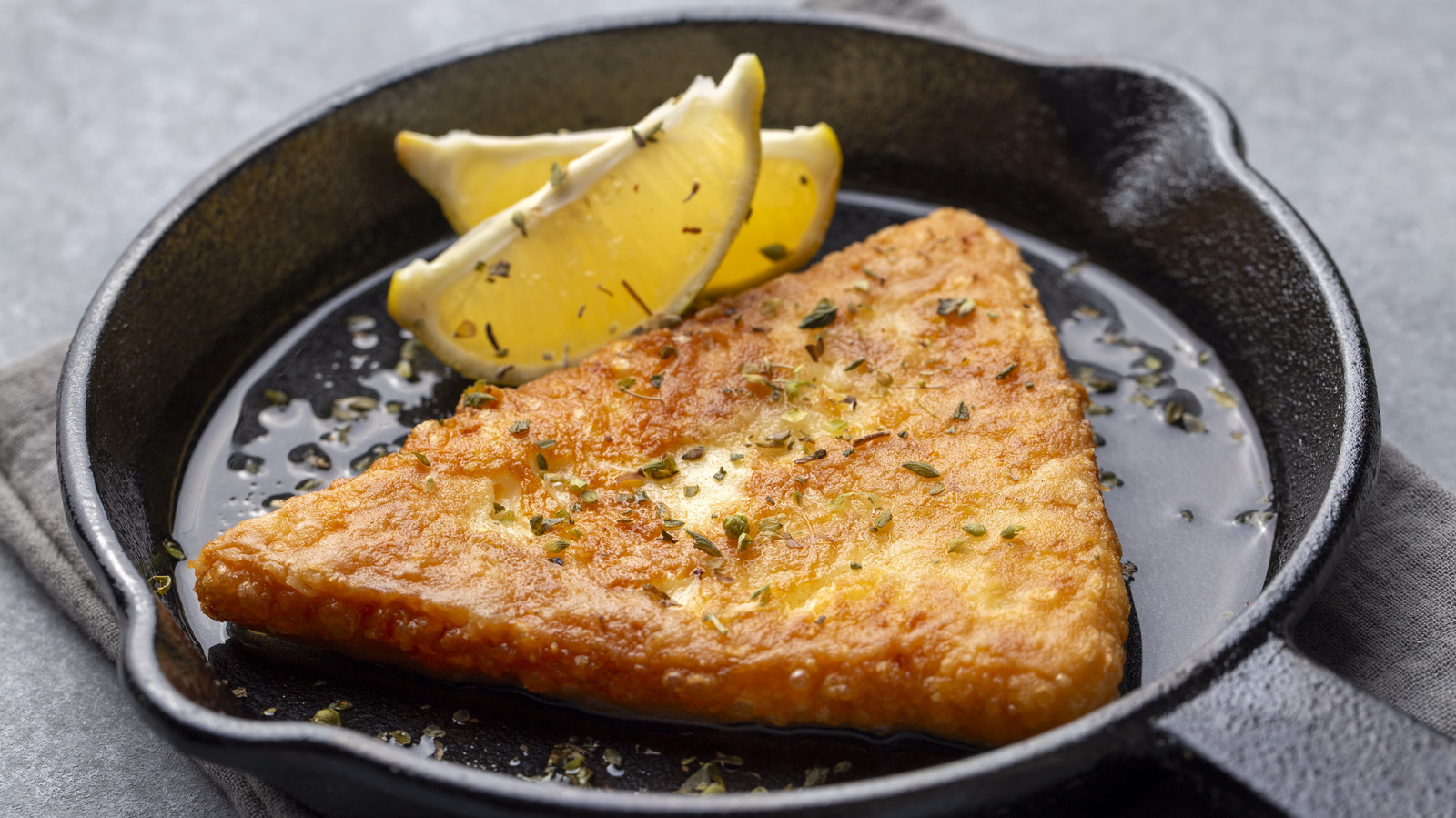
Saganaki: More Than Just Fried Cheese in Greek Cuisine
When you hear the word saganaki, your mind might immediately conjure images of a sizzling platter of flaming cheese, accompanied by a dramatic shout of "Opa!" While this theatrical presentation has certainly cemented saganaki's place in global culinary consciousness, the true story of this iconic Greek dish is far richer and more nuanced. Far from being a mere spectacle, authentic saganaki is a testament to the simplicity, quality, and heritage of Greek cuisine, offering a delightful interplay of textures and flavors that have been cherished for centuries.
At its heart, saganaki is a traditional Greek appetizer named after the sagani, a small, heavy-bottomed frying pan with two handles. This specialized pan is not just a cooking vessel; it's integral to the dish's identity, ensuring that the food is served piping hot, often straight from the stove to the table. While cheese saganaki is undoubtedly the most famous iteration, the term "saganaki" actually refers to a whole category of small dishes prepared in this distinctive pan, showcasing the remarkable versatility and ingenuity of Greek home cooking and taverna fare.
The True Essence of Authentic Saganaki: Simplicity and Quality
The authentic Greek saganaki experience is one of understated elegance. It celebrates the inherent goodness of its primary ingredient: high-quality Greek cheese. Forget the pyrotechnics for a moment and focus on the sublime transformation of a humble block of cheese into a golden-crusted, molten-centered delight. The process is deceptively simple, yet it yields a complex flavor profile that perfectly encapsulates the rustic charm of the Mediterranean diet.
The Star of the Show: Choosing the Right Cheese
For an authentic saganaki, the choice of cheese is paramount. Traditional Greek varieties are typically semi-hard sheep's or goat's milk cheeses, prized for their tangy notes, firm texture, and excellent melting properties. The most common contenders include:
- Kefalotyri: A hard, salty, and sharp cheese with a robust flavor, often made from sheep's or goat's milk. It’s a classic choice for frying due to its ability to hold its shape while crisping beautifully.
- Kasseri: A milder, semi-hard yellow cheese, usually from sheep's milk, sometimes mixed with goat's or cow's milk. It melts wonderfully, offering a creamier interior.
- Graviera: A versatile and widely popular cheese, typically made from sheep's milk (sometimes mixed with goat's) with a sweet, nutty flavor profile. Its texture is ideal for frying, creating a delightful contrast between crispy and gooey.
- Kefalograviera: A blend of Kefalotyri and Graviera, offering the best of both worlds – the tang and sharpness of Kefalotyri with the excellent melting characteristics of Graviera.
These cheeses are chosen not just for their taste but for their structural integrity under heat. They develop a beautiful, golden-brown crust without disintegrating, while their interiors become wonderfully soft and gooey. If you're struggling to find these specific Greek cheeses outside of Greece, look for a firm, salty, meltable cheese that can withstand high heat without immediately becoming liquid. Halloumi, while not traditional, can be a passable substitute for texture, though its flavor profile differs.
The Perfect Preparation: Less is More
The preparation of authentic saganaki is straightforward, emphasizing the quality of the ingredients rather than elaborate steps. A thick slice of the chosen cheese is typically coated lightly in flour or semolina – just enough to create a barrier that helps achieve that coveted crispy exterior. It's then pan-fried in butter or olive oil in the sagani until it reaches a perfect golden hue on both sides. The key is high heat and quick cooking, ensuring the cheese melts inside while remaining firm and crunchy outside.
Once cooked, it's served immediately, sizzling hot, with a generous squeeze of fresh lemon juice. The lemon is not just a garnish; it's a crucial component, cutting through the richness of the fried cheese and adding a bright, zesty counterpoint that elevates the entire dish. A simple sprinkle of dried oregano or freshly ground black pepper might be added, but minimal seasoning is preferred to let the cheese shine.
This simple yet profound dish is a staple in Greek tavernas, served as a meze – a small plate designed to be shared and enjoyed with drinks, stimulating the appetite before a larger meal. It pairs beautifully with crusty bread, olives, and a glass of chilled white wine or ouzo, evoking the pastoral traditions of Greek cheesemaking from local herds.
For a detailed guide on how to make this delightful appetizer at home, you can find an excellent resource here: Saganaki Recipe: Pan-Fried Greek Cheese Perfection in Minutes.
Beyond the Cheese: The Versatile World of Saganaki Dishes
While cheese saganaki has captured the culinary spotlight, it's important to understand that the term "saganaki" in Greece refers to a broader category of traditional appetizers cooked and served in the aforementioned sagani pan. This small, heavy-bottomed vessel, typically around 20 cm (8 inches) in diameter with two handles, is designed for cooking individual or small-group portions and delivering them straight to the table, sizzling and warm.
The scope of saganaki extends far beyond just fried cheese, encompassing a diverse array of ingredients adapted to the pan's compact size and suitability for quick, flavorful preparations. Some popular examples include:
- Shrimp Saganaki (Garides Saganaki): A beloved seafood variation featuring succulent shrimp simmered in a rich tomato sauce, often infused with garlic, ouzo, and herbs, topped with crumbled feta cheese. The sauce bubbles tantalizingly in the pan, creating a wonderfully aromatic and flavorful dish.
- Mussel Saganaki (Mydia Saganaki): Fresh mussels steamed in the sagani with white wine, garlic, herbs, and sometimes a touch of tomato, offering a taste of the Aegean sea.
- Vegetable Saganaki: While less common as a standalone dish, the sagani pan can be used for various fried or baked vegetable preparations, often layered with sauces or cheese.
These dishes leverage the sagani's excellent heat retention, ensuring that every bite remains warm and delicious. The two handles make for easy transport from kitchen to table, enhancing the dramatic table-side serving experience, even without the flames. This concept underscores the Greek appreciation for communal dining and the joy of sharing small, flavorful bites.
The "Opa!" Moment: The Flambéed Saganaki Phenomenon
Now, let's address the elephant in the room – or rather, the flame in the pan. The dramatic, flambéed version of saganaki, famously ignited tableside with a shout of "Opa!", is a captivating spectacle that has become synonymous with Greek dining experiences worldwide. However, this theatrical adaptation is a distinctly Greek-American innovation, not a traditional Greek practice.
The origins of the flaming saganaki trace back to 1968, in Chicago's vibrant Greektown. Chris Liakouras, the visionary owner of The Parthenon restaurant, is credited with creating this show-stopping rendition. His intention was simple: to entertain diners and add a touch of flair to the meal. By igniting the pan-fried cheese with brandy or ouzo, he transformed a humble appetizer into a memorable event. The exclamation of "Opa!" – a versatile Greek expression of enthusiasm, joy, or surprise – naturally accompanied this exciting presentation, further cementing its place in popular culture.
This brilliant marketing ploy quickly caught on, spreading like wildfire to Greek restaurants across North America and eventually around the globe. It transformed the modest cheese saganaki into a theatrical centerpiece, a symbol of celebratory dining and the lively spirit often associated with Greek culture. However, it's crucial to understand that in Greece itself, this flambéed version is rarely, if ever, prepared. Authentic Greek tavernas pride themselves on the simplicity and quality of their ingredients, preferring to let the natural flavors speak for themselves without added theatrics. When ordering saganaki in Greece, you can expect the delicious, non-flambéed version described earlier.
Understanding this distinction is key to appreciating both the roots of Greek cuisine and the fascinating evolution it undergoes in immigrant communities. For a deeper dive into this culinary dichotomy, explore Authentic Greek Saganaki: Beyond the Flambé and 'Opa!'.
Tips for Enjoying and Preparing Saganaki
Whether you're savoring saganaki in a bustling Greek taverna or attempting to recreate its magic in your own kitchen, here are some practical tips to enhance your experience:
- Embrace the Freshness: The success of any saganaki dish, especially the cheese version, hinges on the quality of its primary ingredients. Seek out the freshest cheese, ripe lemons, and good quality olive oil.
- Don't Overcook: For cheese saganaki, the goal is a golden, crispy exterior and a molten interior. Overcooking can lead to a dry, rubbery cheese. High heat and quick frying are your allies.
- The Lemon is Non-Negotiable: Always serve cheese saganaki with a generous wedge of fresh lemon. Its acidity provides a vital balance to the richness of the fried cheese.
- Serve Immediately: Saganaki, in all its forms, is meant to be enjoyed piping hot, straight from the sagani pan. The sizzling sound and steaming aromas are part of the experience.
- Explore Beyond Cheese: Don't limit your saganaki exploration to just fried cheese. Venture into shrimp or mussel saganaki to discover another dimension of this versatile cooking method.
- Pairing Perfection: Saganaki is a classic meze. Enjoy it with other small plates, a fresh salad, crusty bread to sop up any delicious juices, and a glass of traditional Greek spirits like ouzo or tsipouro, or a crisp white Greek wine.
Conclusion
From the bustling tavernas of Athens to the quiet villages nestled in the Greek islands, saganaki remains a beloved and enduring symbol of Greek hospitality and culinary heritage. It embodies a philosophy where simple, high-quality ingredients are transformed through minimal intervention into something truly extraordinary. Whether you encounter the authentic, non-flambéed version with its perfect crispy-melted contrast and zesty lemon kiss, or the energetic, flaming spectacle that has captivated diners worldwide, saganaki is a dish that tells a story. It's a story of tradition, adaptation, and the universal joy of sharing delicious food. So, next time you encounter saganaki, take a moment to appreciate the journey of this humble pan-fried dish – a true taste of Greece, in all its delicious forms.
Opa!
