Authentic Greek Saganaki: Beyond the Flambé and 'Opa!'
When the words "Greek appetizer" come to mind, many envision a sizzling pan of cheese, dramatically ignited with a shout of "Opa!" While this theatrical spectacle has become synonymous with saganaki in restaurants around the world, the true, authentic Greek version of this beloved dish tells a different, perhaps even more captivating, story. It's a tale of simplicity, tradition, and the unparalleled quality of local ingredients, served without a flame, yet bursting with flavor.
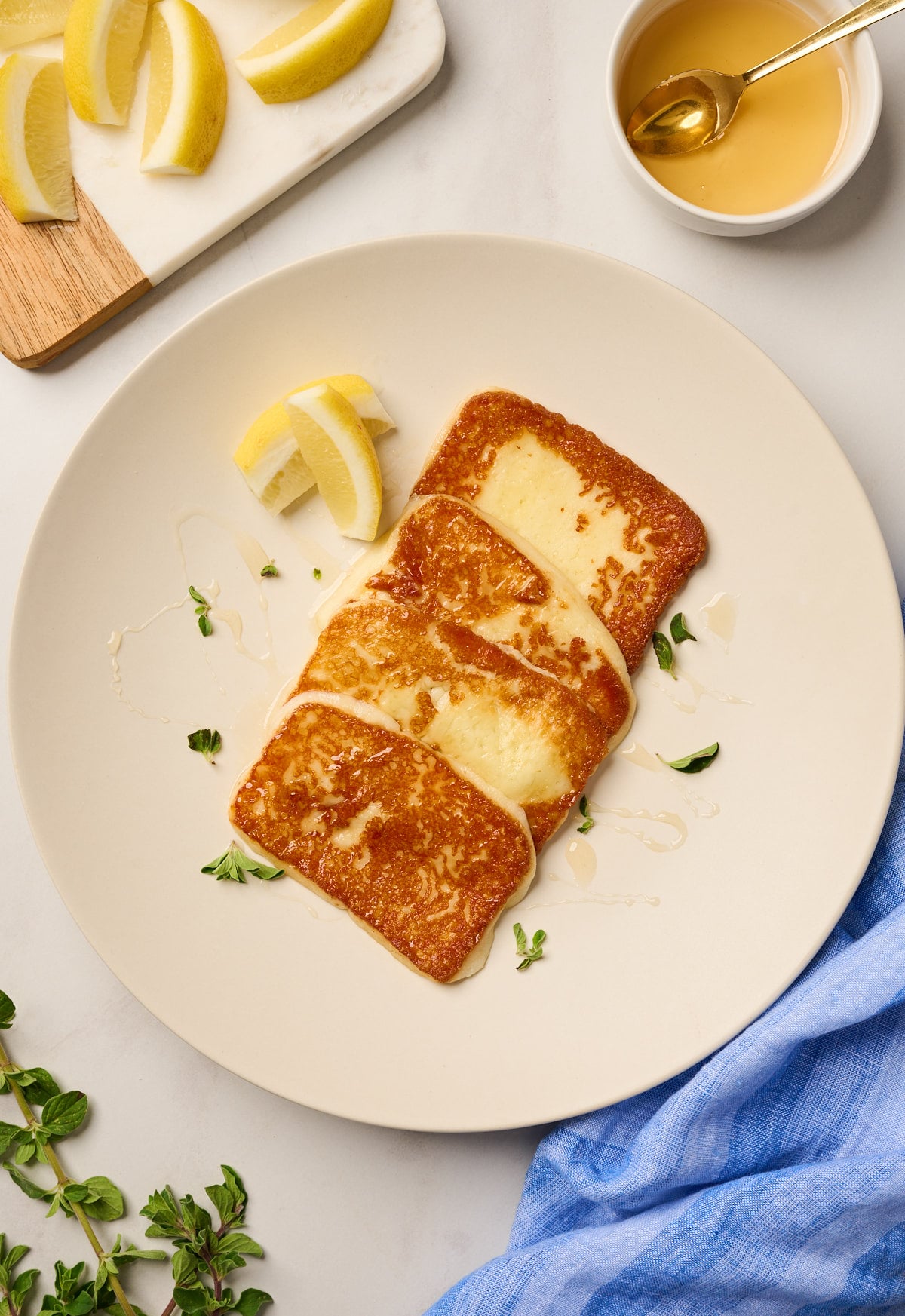
Beyond the bright lights and brandy-fueled drama lies the heart of real saganaki: a humble, pan-fried cheese that transforms into a golden, crispy delight on the outside while remaining gloriously melted and gooey within. It's a staple in Greek tavernas and homes, a testament to the country's rich pastoral heritage and its deep appreciation for fresh, high-quality produce, especially its exquisite cheeses. Prepare to discover the genuine article, a dish whose charm lies not in its showmanship, but in its pure, unadulterated deliciousness.
The True Essence of Saganaki: Simplicity, Cheese, and Tradition
At its core, authentic Greek saganaki is an ode to superior cheese. The dish typically features semi-hard, tangy sheep's or goat's milk cheeses, carefully selected for their ability to achieve that perfect crispy exterior without losing their creamy interior. Varieties like kefalotyri, kasseri, graviera, or kefalograviera are prime candidates, each offering a distinct flavor profile that elevates the dish.
The preparation is beautifully straightforward: a thick slice of chosen cheese is lightly dusted in flour or semolina – just enough to create a delicate barrier and enhance the browning – then pan-fried in a small, traditional two-handled pan called a sagani. Cooked quickly in a splash of olive oil or a knob of butter, it sizzles until it achieves a perfect golden-brown crust. The magic happens as the cheese crisps, creating an irresistible texture contrast with its molten heart.
Once removed from the heat, the piping hot cheese is served immediately as a meze (appetizer), with its richness balanced by a generous squeeze of fresh lemon juice. This simple addition is crucial; the citrus brightens the cheese's flavor and cuts through its fattiness, leaving a clean, tangy finish. Sometimes, a sprinkle of dried oregano or black pepper is the only other embellishment, allowing the inherent quality of the cheese to shine through. This minimal seasoning philosophy underscores the Greek emphasis on fresh, high-quality ingredients, a cornerstone of the Mediterranean diet.
The Sagani Pan: More Than Just a Cooking Vessel
The name "saganaki" itself is derived directly from the sagani, the small, heavy-bottomed frying pan in which these dishes are prepared and served. This specialized pan, often around 20 cm (8 inches) in diameter with two small handles, is fundamental to the dish's identity. Its design allows for quick cooking and direct, dramatic table-side presentation, ensuring the food arrives hot and sizzling.
What many outside of Greece don't realize is that "saganaki" is not just a single recipe for fried cheese; it's a *category* of traditional Greek appetizers and small dishes cooked and served in this distinctive pan. While cheese saganaki is undeniably the most famous, the scope of dishes prepared in a sagani is much broader. You'll find:
- Shrimp Saganaki (Garides Saganaki): Shrimp simmered in a rich tomato sauce with feta cheese, often enhanced with ouzo or herbs.
- Mussels Saganaki (Mydia Saganaki): Mussels steamed with herbs, garlic, wine, and sometimes a touch of tomato.
- Vegetable Saganaki: Variations featuring fried eggplant, zucchini, or other seasonal vegetables layered with sauces and cheeses.
These diverse applications highlight the versatility of the sagani pan and its long history in Greek home cooking, used for individual or small-group servings of various fried foods. The term "saganaki" truly encapsulates a cooking method and serving style that emphasizes freshness and immediate enjoyment.
The "Opa!" Moment: A Greek-American Innovation
Now, let's address the elephant in the room: the flaming saganaki. While undeniably entertaining, the dramatic ignition of brandy or ouzo, accompanied by shouts of "Opa!", is not a practice found in traditional Greek tavernas. This spectacular adaptation has a clear origin story, firmly rooted in the Greek-American experience.
The flambéed version of saganaki originated in Chicago's Greektown in 1968, specifically at the Parthenon restaurant. Owner Chris Liakouras is credited with creating this theatrical innovation. His goal was to entertain diners, transforming a modest appetizer into a thrilling spectacle that quickly captivated audiences and spread to Greek restaurants worldwide. It became a cultural icon, symbolizing the vibrant energy and hospitality of Greek-American communities.
However, in Greece itself, the flambé is a rare sight. Greeks appreciate the inherent flavors and textures of their food without needing extra theatrics. The authentic experience is about the quality of the ingredients and the simplicity of preparation, allowing the pan-fried cheese to speak for itself. This distinction underscores the fascinating cultural fusion that occurs when culinary traditions travel and adapt in new environments.
Mastering Authentic Saganaki at Home: Tips for Perfection
Recreating authentic saganaki in your own kitchen is surprisingly simple, requiring just a few key ingredients and attention to detail. The reward is a truly delicious, crispy, and melted treat that transports your taste buds straight to the Aegean.
Essential Ingredients:
- The Right Cheese: This is paramount. Look for genuine Greek cheeses like kefalotyri, kasseri, graviera, or kefalograviera. If unavailable, a firm, salty, and tangy cheese that holds its shape well when fried, such as halloumi (though distinctly different in flavor), could be a substitute, but for true authenticity, stick to the Greek varieties.
- Fat for Frying: High-quality olive oil or unsalted butter. Olive oil lends a traditional flavor, while butter contributes to a richer, nuttier crust.
- Light Coating: All-purpose flour or fine semolina. This creates the essential crispy barrier.
- Fresh Lemon: An absolute must for serving.
Simple Steps for Success:
- Slice the Cheese: Cut your chosen cheese into a piece about ¾ to 1 inch thick. This thickness ensures a good balance between a crispy exterior and a melted interior.
- Dredge Lightly: Lightly coat both sides of the cheese in flour or semolina, shaking off any excess.
- Heat the Pan: Heat your sagani pan (or a small, heavy-bottomed, non-stick frying pan) over medium-high heat. Add enough olive oil or butter to generously cover the bottom – about 1-2 tablespoons.
- Fry to Perfection: Once the fat is hot and shimmering, carefully place the cheese in the pan. Fry for 1-2 minutes per side, until deeply golden brown and crispy. Avoid overcooking, as this can make the cheese tough.
- Serve Immediately: Transfer the sizzling cheese directly from the pan to a serving plate. Squeeze a generous amount of fresh lemon juice over it.
Expert Tips:
- Don't Overcrowd: If making multiple servings, fry one slice at a time to maintain consistent pan temperature and achieve optimal crispness.
- Hot and Fast: The key to great saganaki is high heat and quick cooking. This creates the perfect textural contrast.
- Quality Matters: Invest in good Greek cheese. It makes all the difference.
Saganaki pairs wonderfully with crusty bread for dipping, Kalamata olives, and a glass of crisp white wine or ouzo. For a detailed, step-by-step guide to recreating this authentic experience in your own kitchen, check out our Saganaki Recipe: Pan-Fried Greek Cheese Perfection in Minutes.
Saganaki's Enduring Place in Greek Cuisine and Culture
Beyond its simple deliciousness, saganaki embodies a philosophy central to Greek cuisine: celebrating the quality of local ingredients through minimal intervention. It's a dish that evokes images of sun-drenched pastoral landscapes, where local herds graze, yielding the milk for these exquisite cheeses. As an iconic meze, it's designed to be shared, stimulating conversation and conviviality around the table, perfectly encapsulating the Greek spirit of hospitality.
From bustling Athenian tavernas to serene island eateries, saganaki remains a beloved starter. Its versatility, both as a cheese dish and as a broader category of pan-fried delights, highlights the inventiveness and resourcefulness of Greek home cooking. It's a dish that, in its authentic form, reminds us that the greatest culinary pleasures often lie in the purest and most unadorned expressions of flavor.
To delve deeper into the diverse world of dishes that fall under this fascinating culinary category, read our article, Saganaki Explained: More Than Just Fried Cheese in Greek Cuisine.
Conclusion
The next time you encounter saganaki, whether in Greece or abroad, take a moment to appreciate its dual identity. While the fiery "Opa!" version offers a memorable spectacle, the authentic Greek rendition presents a more profound culinary experience. It's an invitation to savor the exceptional quality of Greek cheeses, prepared with elegant simplicity, and served with the vital zing of fresh lemon. This is the true spirit of saganaki – a humble yet magnificent appetizer that perfectly captures the heart and soul of Greek culinary tradition, proving that sometimes, the most extraordinary flavors come from the most unassuming preparations.
